

Ordering construction materials seems easy enough. Then the wrong sand shows up, or the aggregate isn't the gradation the job called for, and a crew is standing around waiting on a second truck. The cheapest load isn't always the best one. What you want is material that meets the project requirements, gets to you in usable condition and actually suits the jobsite it's going to.
ASR Materials supplies aggregates, soils, sand, stone, fill, and masonry products for construction and landscaping projects across South Florida. A quote goes a lot smoother, though, when you already know a few things. What exactly does the project call for? How much of it? And can a truck get it onto your site, or will you be picking it up?
This guide walks through that homework in order: checking specifications, working out quantities, comparing delivered costs, and planning where everything will sit once it lands. The aim is to find construction materials that fit the job, and that isn't always the lowest price on the sheet.
How to Find the Best Construction Materials
Start by defining what you need, then check specs, quantities, handling requirements, and price. Ready-mix companies, landscapers, contractors, developers and home improvement buyers all do this as well, but the specifics vary from one job to another. First, make sure the materials meet the needs of the application. Materials that may be the most efficient and cost effective to install for one application in South Florida may be very difficult to install or just plain wrong for another.
In a building construction project, the drawings will usually show the foundations, the floor slab, masonry walls, framing, insulation and the roof assembly as individual items. Ask for quotes on each category separately. Different sections of the project will often need to come from different vendors. In addition, certain categories will have different delivery requirements and different product documentation requirements.
A quote for “sand, stone and cement” covers too much ground to be definitive. For a driveway with pavers, it’s necessary to identify the designated aggregate base, bedding material and jointing product as distinct materials. Soil for the flower bed next door should be a separate item on the order form. They do different things, even if they’re delivered to the same place. If the design professional chose a particular product, verify that it is what you ordered and obtain permission for substitutions.
Understand Common Construction Materials
Once you know the application and product names, check the specifications to confirm the material meets your requirements.
“A load of rock” is not going to make for good delivery tickets or price quotes. Aggregates can vary in size, composition, and gradation for uses ranging from drainage, to concrete, to decorative finishes, to structural base material. Make sure the required grading and cleanliness are provided for the specific application.
ASR Materials offers aggregates, soils, sand, stone, fill, and masonry construction products in South Florida. ASR’s aggregate and soil products include numbered limestone, graded aggregate base material, fill, and sands including masonry sand, stucco sand, and concrete sand.
Note that landscaping soil is not fill dirt and that you should not assume landscaping topsoil or soil-sand mixtures are approved structural fills under buildings and pavement. Use planting soil for the garden bed and the specified, approved fill for grading or structural work. Neither is a substitute for the other simply because they both come as a bulk load.

Concrete Blocks, Cement and Masonry Supplies
"Strong and durable" isn't a useful way to compare masonry products. For a concrete repair, you should look at the manufacturer's listed applications, strength requirements and the product's ability to bond to the existing surface. If you're looking for mortar, select the specific type called for in that masonry project. There are several types of concrete mix and ready-mix concrete for different repair and structural needs like footings, driveways and foundations.
Concrete block, mortar and brick also must fit the work at hand. High-strength does not mean "best choice" when it comes to every footing or repair.
For projects that call for stucco or other masonry materials, ASR Materials carries cement, concrete mixes and stucco products including lath, trims, control joints and bonding agents. Buy all of the items you need upfront to avoid having your construction crew idle.
Check Performance and Documentation Before Price
Before you request a price quote, confirm the exact products and documentation the job requires.
When a particular brand name is called out on a project, it’s best to order as directed. Changing the product specified for a critical item, such as reinforcing steel or the mix in a reinforced concrete structure, without advance approval can affect the intended performance of an assembly.
Sometimes materials seem interchangeable, but they are not. Two waterproof coatings may sound similar, yet only one is compatible with another system used in a floor or wall assembly. So, describe the product or material as accurately as possible and then verify your understanding with the supplier’s sales staff, who may well be able to suggest an alternative if it’s acceptable under project requirements.
For projects requiring FDOT documentation, confirm the applicable source and product approvals through the FDOT aggregate acceptance process. A supplier's general reference to FDOT products does not establish approval for every item or project.
When there’s a manufacturer’s data sheet, request it before placing an order. For packaged concrete, that sheet matters because moisture and temperature affect hydration and curing.
Calculate Quantities in the Right Units
You’ll have to work out or check with a designer how much is needed before you place an order. For a rectangular space, multiply length by width and depth. If all three measurements are in the same units, e.g., feet, then the result is the volume of the area. However, you must make sure that the depth is the depth called for in the job, and not the depth your pocketbook permits. A theoretical rectangular space measuring 12 feet by 9 feet by 6 inches requires the 6 inches to be converted to 0.5 feet. 12 × 9 × 0.5 = 54 cubic feet; 54 ÷ 27 = 2 cubic yards. This is the geometric volume before any supplier-confirmed allowances for compaction, handling or uneven ground.
For many materials, especially aggregates, weight and volume are not interchangeable. You must consult with your supplier or other source for the weight of a cubic yard of the material, or other pertinent information. If the measurement was made in terms of volume, find out if that volume is loose or compacted. Any allowances for handling, compaction and irregularities will vary from job to job and material to material, so be sure to discuss your situation with your supplier.
Compare the Delivered Cost of Building Materials
Ensure that all quotes being compared are for the same materials and quantities, and include the delivery location and shipping fee. In some cases, the materials that seem to be expensive may end up being the cheaper option once delivery is included.
When requesting a quote, make sure you provide information on the exact product or material grade, quantity needed, unit of measure, and the delivery location. Ask that the freight charges be listed separately and whether the contractor or the supplier is responsible for unloading the material.
In case one quote is priced per ton and the other per cubic yard, convert them into the same basis before comparing the final price. Confirm that the less costly load is not less in quantity or requires another shipment. In case of bagged concrete, calculate the number of bags using the labeled volume of the particular product.

Plan Delivery, Pickup and Storage
Once you’ve determined what to order and how much, plan where it will be received on-site and how it will be stored. If the material will be trucked to the jobsite, make sure the supplier’s sales rep understands the delivery point and logistics.
Get an accurate jobsite address and ask if someone will be on site to coordinate the delivery. Provide any additional information such as whether multiple items are being delivered and where to place them (and if separate piles are needed). Make clear exactly where the product should be unloaded to avoid having to handle it again. That costs money for you (or the customer, if you're a contractor) and can even cause problems for suppliers, who may have to pay for extra equipment and labor if they dump loads in the path of a working crew.
Keep different bulk materials identifiable and separated on site. Protect bagged products according to their manufacturer’s storage instructions and check packaging when it arrives.
For pickups, ask about loading times and any additional requirements. ASR Materials describes trucking and FOB customer pickup at its Doral distribution yard or the quarry, subject to prior arrangements.
Avoid Costly Ordering Mistakes
In a pinch, a contractor might order a product that is close enough but is not what the plans or specifications require. In the case of a material like concrete or asphalt, a substitution without owner and engineer approval can have far-reaching consequences. And if an installer can’t find a piece needed to complete an assembly, or a critical item that was forgotten in the takeoff, a trip to the supplier can be a costly setback.
Before you place your next order for soil, aggregates, or another landscape or construction material, gather the product specifications, quantity calculations and access details in one quote request.
You can reach ASR Materials, a source for aggregates, soil, other construction and landscape materials in South Florida, with your specifications, quantities, jobsite location and proposed schedule.
LOOKING FOR THE BEST SUPPLIER IN SOUTH FLORIDA?
YOU FOUND US, ASR MATERIALS.
SHARE POSTS
RELATED POSTS

October 15, 2026
Ordering construction materials seems easy enough. Then the wrong sand shows up, or the aggregate isn't the gradation the job called for, and a crew…

July 28, 2026
Ask any estimator what killed a job's margin and it's rarely labor. It's that load that arrived two days late. That base rock that was…

July 22, 2026
When you search for silica sand near me, you’re likely looking for a specific material that meets the demands of a real project, not just…

May 15, 2026
If you're in South Florida, you know that the choices when it comes to building materials can be overwhelming. Choosing a supplier is about more…
April 9, 2026
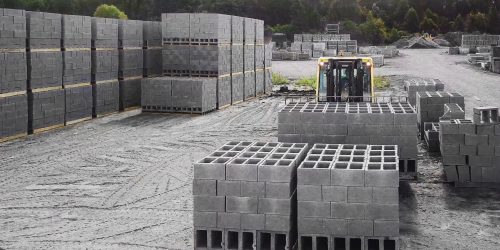
Bin blocks are large precast concrete units designed to interlock and stack. They come in a variety of sizes, such as 2', 4', 6', and…
March 4, 2026
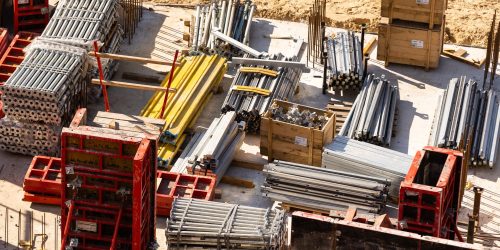
Every successful construction project begins well before the foundation is laid. It starts with acquiring the right materials from the right supplier. The construction environment…