When you search for silica sand near me, you’re likely looking for a specific material that meets the demands of a real project, not just any sand that happens to be available locally. Silica sand is one of the most widely used materials in construction and industry, and the quality, grade, and particle size you need will depend on what you’re building and how the material will be used. Getting those specifications right from the start saves time, money, and rework.
ASR Materials is a South Florida-based supplier of construction aggregates and landscape materials, including a full range of silica sand products for residential and commercial projects. With over 50 years of experience serving contractors, developers, and landscapers across Miami-Dade, Broward, and Monroe counties, the team at ASR Materials understands what local projects require and how to get material to the job site efficiently.
 What Makes Silica Sand the Right Product and Grade for Construction?
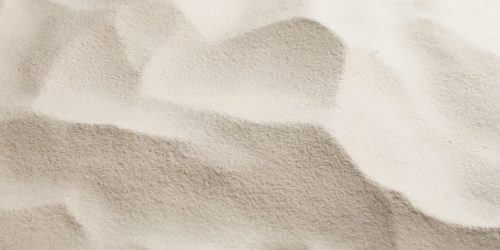
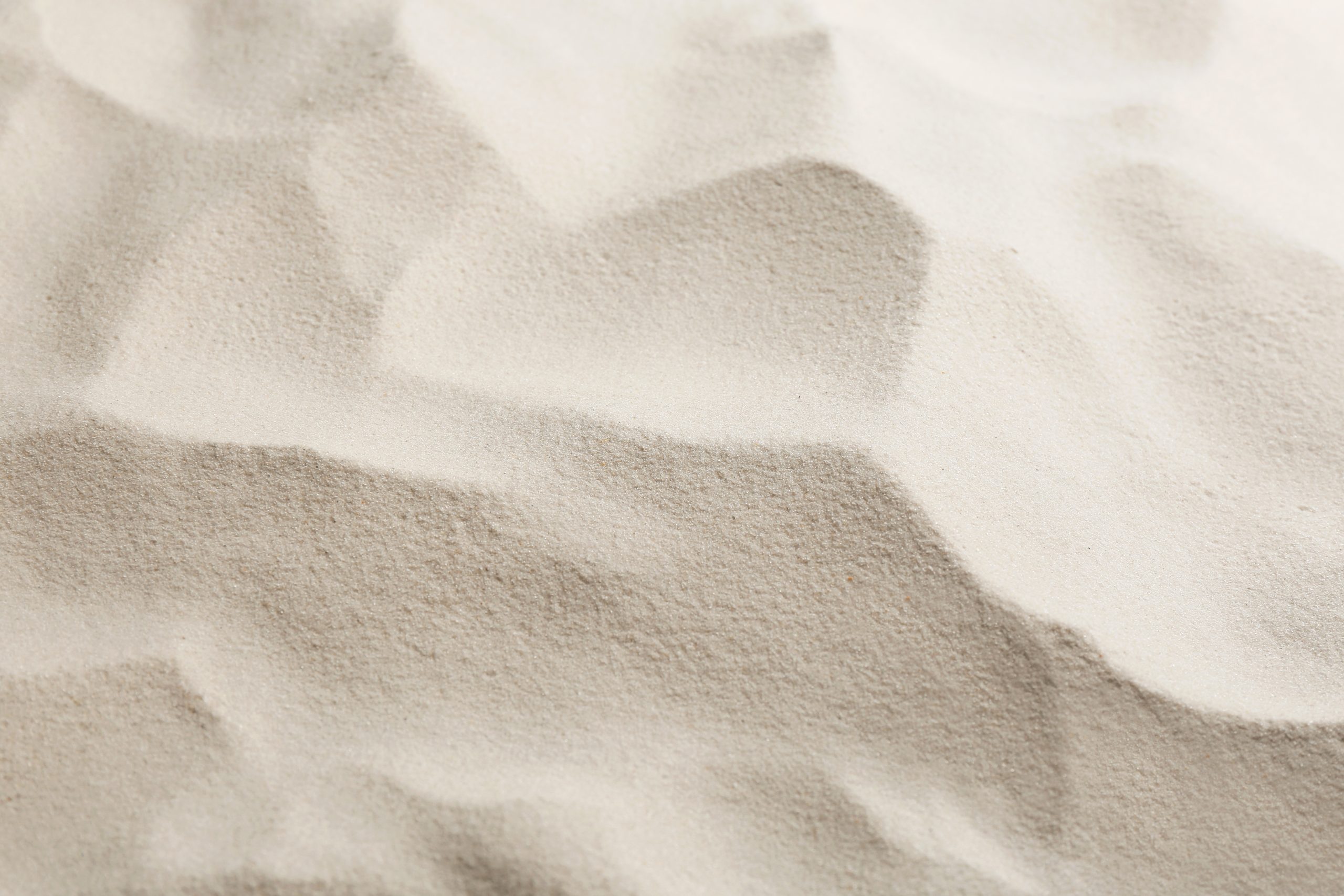
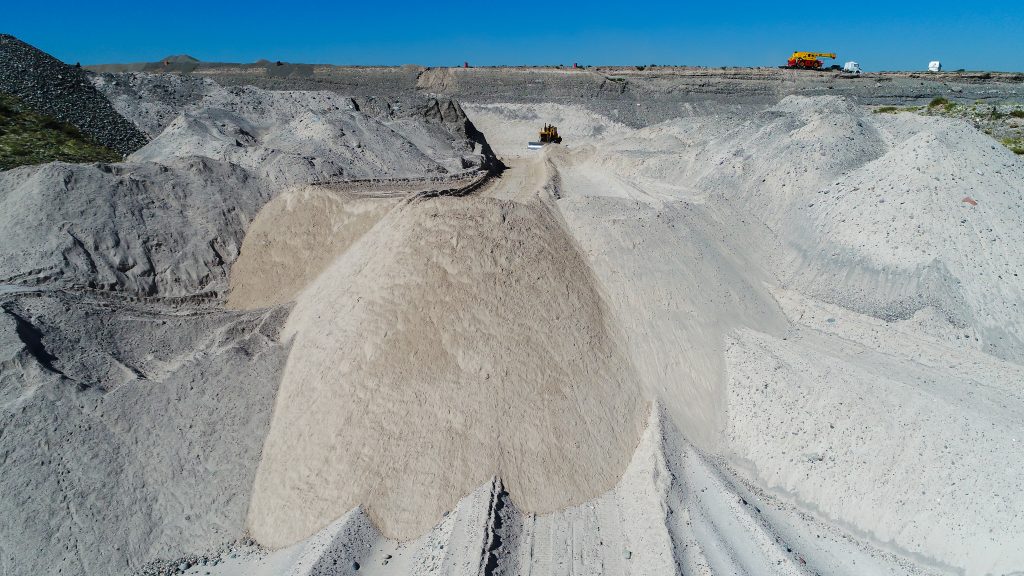
The U.S. Geological Survey reports that silica sand, also known as industrial sand and gravel, is one of the world’s most important nonmetallic minerals. It has a very high silica (SiO₂) content—usually more than 95% quartz—and its uniform grain size, hardness, chemical inertness, and heat resistance set it apart from ordinary sand.
These attributes make silica sand highly valuable for its many uses in construction and industry. It resists acids and other chemicals, withstands pressure and heat, and can be sized and graded to exact specifications for a wide range of applications. Whether it’s concrete mixing, mason beds, blasting, or filtration systems, the grade and size you use directly determine the quality of the result.
That’s why it is important to know what specification to purchase ahead of time. The fine silica sand that can be installed in a play area or pool is very different from the much coarser silica sand that is used for sandblasting. Buying the wrong product wastes material and creates problems down the line.
Silica Sand Uses: Concrete Sand, Mason Work, Sandblast, White Play Sand, and Filtration
Silica sand is used across many construction and industrial applications, and understanding how the grades differ helps you pin down what your project actually needs.
Concrete sand
Concrete sand is a coarser-grade silica sand used as the aggregate in concrete mixes. It gives the mix body and improves compressive strength and workability, which makes it a staple for ready-mix plants, concrete product manufacturers, and general contractors. Its size and gradation should be carefully controlled so the finished concrete performs as specified.
Mason sand
Mason sand is a fine silica sand sifted to a more consistent grain size than concrete sand. It’s used in mortar for bricklaying and blockwork, in stucco, and in surface finishing where a smooth, even result is needed. The finer gradation suits applications where bonding quality and a clean finish matter as much as structural performance.
Sand blasting and abrasive applications
A harder, angular grade silica sand is the natural choice to use for abrasive blasting. Blasting sand strips rust, paint, and other coatings from metal, concrete, and masonry before refinishing. The abrasive action does the work, so hardness and size consistency are the specifications that matter most. Operators of blast pots and cabinets need consistent grades to achieve consistent surface profiles.
Filtration media
Silica sand is used in water filters—municipal water treatment, septic systems, and pool filters. It is very chemically inert and is an ideal filtration medium as it will not break down or add contaminants to the water being filtered. The grade is chosen to let water pass through while trapping particles, and it must meet a certain purity standard for the intended use.
Play sand and recreational use
The standard product for play areas, volleyball courts, golf bunkers and decorative landscaping is a white, fine grade silica sand. Natural silica gives a clean, dry, attractive surface that’s largely maintenance-free. For these uses, color, cleanliness, and texture matter to the buyer as much as the technical properties do.
Buying Silica Sand in Bulk or Bagged: Choosing the Right Specification for Your Project
How you buy silica sand depends on the size of the project. For big construction jobs, it’s best to buy by the truckload. Bulk delivery cuts out the handling and packaging costs of bagged product and brings large quantities to the job site in a single drop. Contractors with ready-mix operations, asphalt plants, or large paving projects will nearly always purchase material in bulk.
However, for small-scale projects, ASR Materials also supplies silica sand in 50 lb bags, allowing for convenient transportation and storage. Bagged product suits stucco contractors, landscapers, and DIY customers who need a manageable amount of a particular grade without ordering a full truckload. The product is the same; it’s just the packaging and amount that are different.
The fastest way to get an accurate material estimate is to talk directly to a supplier. A knowledgeable team can work out the volume you need and recommend the right product and quantity, so you avoid both waste and shortfalls.
What Every Customer Should Look for in a Fine Silica Sand Supplier
If you need silica sand for a building project, the goal isn’t just the lowest price—it’s a supplier who can provide the correct grade when you need it. A supplier that runs out of stock, sends the wrong specification, or misses a delivery window causes disruption that costs far more than any price difference. When checking out a local source, the following is important:
Product range: the supplier should have a range of products to suit different project needs, including fine mason sand, coarser concrete sand and abrasive sand
Grade consistency: material should stay consistent batch to batch, which matters most for concrete production and industrial manufacturing
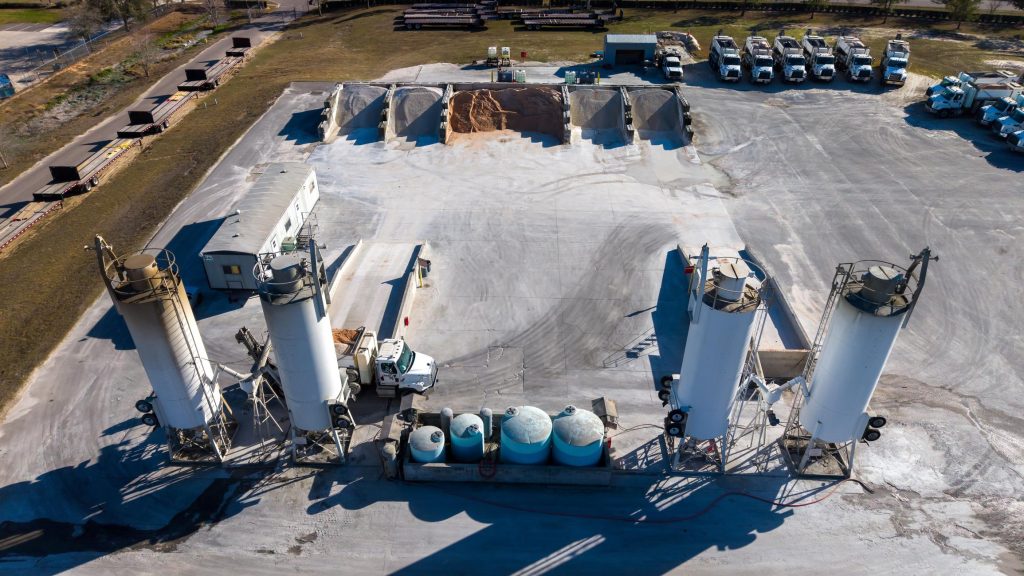
Delivery capability: the supplier should deliver in bulk straight to your site, not just offer pickup
Local presence: a supplier near your project means shorter lead times and simpler logistics.
In most of South Florida’s construction projects, proximity to a site is more than a luxury; it’s a requirement. With so much development and traffic in the region, sourcing dry, bulk material locally is a real operational advantage.
Your Local Source for Silica Sand: ASR Materials
Since 1973, ASR Materials has been providing construction professionals throughout South Florida with aggregate materials. Decades of industry relationships allow the team to stock and deliver a full range of silica sand products for construction, industrial, and landscape applications, backed by consistent grades, reliable delivery, and responsive service.
When you use ASR Materials, you can expect:
Silica sand in a range of grades from fine white play sand to concrete sand, mason sand, and abrasive grade.
Bulk delivery to your project site, all over Miami-Dade, Broward, and Monroe counties.
Bagged product in 50 lb bags for smaller or specialty jobs.
A knowledgeable team to help you match the right product specification to the project requirement.
Competitive pricing on both bulk and bagged material, plus FDOT-approved product options.
To find silica sand near you and get the silica sand supplier that has the inventory and delivery capabilities to help you with your project from start to finish, contact ASR Materials today. Call or visit asrmaterials.com to talk about your material requirements and schedule delivery.

 What Makes Silica Sand the Right Product and Grade for Construction?
 What Every Customer Should Look for in a Fine Silica Sand Supplier